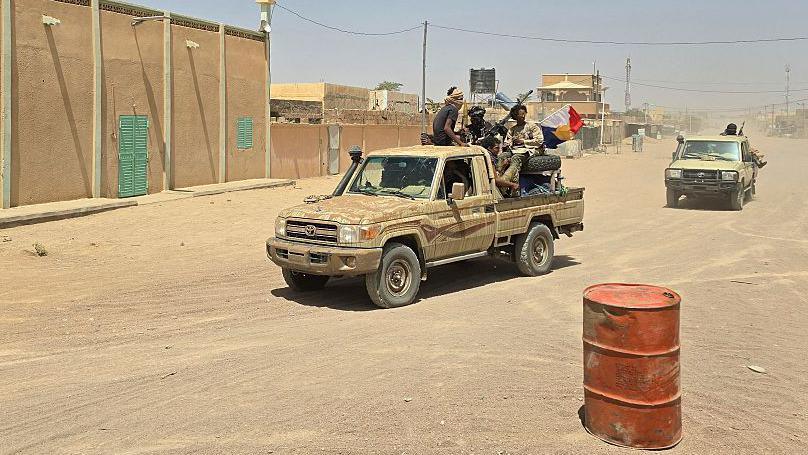
Mali is unraveling — again. A surge in attacks across the northern region, particularly near Kidal, has reignited scrutiny over foreign military presence and local governance failures. At the center of it all: Russia’s Africa Corps, successor to the Wagner Group, has confirmed it is pulling out of Kidal. This isn’t just a troop relocation. It’s a strategic recalibration with ripple effects across the Sahel, drawing in regional powers, jihadist networks, and Western intelligence agencies.
For years, Kidal has been a flashpoint — a Tuareg stronghold, a logistical hub for insurgents, and a symbol of Mali’s fractured sovereignty. The withdrawal of Russian forces may look like retreat, but it’s more accurately a pivot — one shaped by battlefield realities, diminishing returns, and a broader shift in Moscow’s African calculus.
This article unpacks what the withdrawal means, why it’s happening now, and how it fits into the larger pattern of escalating violence in Mali.
Why Kidal Matters in the Sahel Conflict
Kidal isn’t just another town in northern Mali. It’s a geographic and symbolic linchpin. Nestled in the vast Saharan expanse, it sits at the crossroads of Mali, Niger, and Algeria. Control over Kidal means influence over smuggling routes, jihadist mobility, and regional diplomacy.
Historically, the area has been dominated by Tuareg-led separatist movements. The 2015 Algiers Accords promised autonomy, but implementation stalled. When the Malian military, backed first by French forces and later by Russian mercenaries, retook parts of Kidal in 2020–2021, it was seen as a win for central authority. But stability didn’t follow.
Instead, jihadist groups like Jama’at Nasr al-Islam wal Muslimin (JNIM) and the Islamic State in the Greater Sahara (ISGS) adapted. They shifted tactics — less direct confrontation, more ambushes, IEDs, and assassinations. The result? A sharp increase in attacks against both military and civilian targets across the region.
Kidal’s terrain favors insurgents. Vast, remote, and poorly monitored, it allows militant cells to regroup, resupply, and launch cross-border operations. Russian forces, despite their heavy-handed approach, struggled to secure the area long-term. Patrols were sporadic. Intelligence was weak. And local support — never strong — eroded further amid allegations of human rights abuses.
The Africa Corps Exit: What We Know
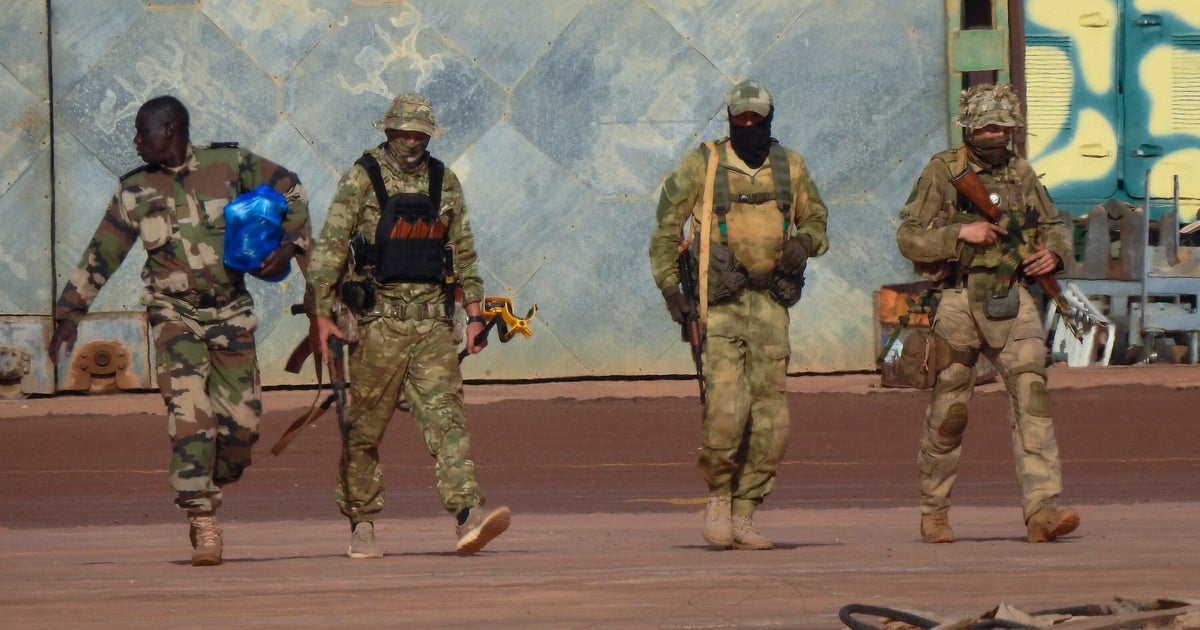
Russia’s Africa Corps, widely understood as the formalized successor to the Wagner Group, confirmed its withdrawal from Kidal in a terse statement released through state-aligned media. No official deployment numbers were given, but Western military analysts estimate the contingent never exceeded 300–400 personnel.
The pullout appears coordinated with Malian military forces, who are now assuming responsibility for the area. Satellite imagery from late January shows Russian armored vehicles and transport aircraft moving south toward Gao and Bamako. There’s no indication of a forced retreat — no major battles, no ambushes on withdrawal routes.
This suggests a planned disengagement, not a collapse.
But the timing is critical. The withdrawal coincides with a spike in attacks:
- January 12: Suicide bombing at a military base in Menaka, killing at least 15
- January 18: Ambush near Tinzaouaten, close to the Algerian border, targeting a convoy
- January 24: Raid on a village in the Kidal region, attributed to ISGS
These aren't isolated incidents. They follow a pattern of increasing boldness by extremist factions, possibly testing the power vacuum left by departing Russian units.
Strategic Shift: Why Russia Is Pulling Back
Russia isn’t abandoning Mali — it’s refocusing. The Kidal withdrawal fits a broader strategy of consolidating forces in urban and politically significant areas, particularly around Gao, Timbuktu, and the capital, Bamako.
Three factors explain this shift:
1. Diminishing Returns in Remote Zones Operating in Kidal was logistically unsustainable. Supply lines were long, risks high, and gains minimal. The Africa Corps’ model relies on visible, high-impact operations — securing airports, training elite units, conducting raids. In Kidal, they were stuck in a counterinsurgency grind with little propaganda value.
2. Local Pushback and Diplomatic Friction The Tuareg population in Kidal never accepted Russian forces. Accusations of arbitrary detentions, property seizures, and extrajudicial killings fueled resentment. Meanwhile, Algeria — a key regional player with influence in northern Mali — has quietly opposed Moscow’s expanding footprint. Pulling back from Kidal reduces diplomatic friction without conceding overall influence.
3. Reallocating Resources to High-Value Targets
With coup-aligned regimes in Burkina Faso and Niger signaling openness to Russian partnerships, Moscow is positioning itself as the security provider of choice across the Sahel. Keeping a lean presence in Kidal no longer makes sense when forces can be redeployed to train junta allies or secure mineral-rich zones in central Mali.
Who Benefits from the Withdrawal?
Every withdrawal creates winners and losers.
Jihadist Groups Gain Operational Space JNIM and ISGS are the clearest beneficiaries. With Russian air support and rapid-response units gone, the Malian military — already overstretched — faces a tougher fight. Insurgent cells can now operate with greater freedom, especially along the Algeria-Mali border.
Recent attacks suggest they’re already exploiting the shift. The use of suicide bombers and coordinated ambushes indicates improved coordination and access to weapons — possibly via black markets in Libya or northern Niger.
Tuareg Militias See a Opening
While not unified, Tuareg factions like the CSP-PSD (Permanent Strategic Framework for Peace, Security, and Development) have long demanded greater autonomy. The Russian pullout could embolden them to reassert control, either through negotiation or force.
However, their ability to govern remains questionable. Past attempts at self-administration in Kidal crumbled under internal divisions and jihadist pressure.
France and the West Watch Cautiously Paris still maintains intelligence assets in the region, despite ending Operation Barkhane in 2022. The withdrawal of Russian forces doesn’t mean a return for French troops — Malian leadership is too hostile — but it does create opportunities for behind-the-scenes influence.
French diplomats are reportedly engaging local civil society leaders in Kidal, positioning France as a neutral broker. Whether this yields results depends on whether locals view Paris as a viable alternative to Bamako or Moscow.
What the Malian Military Faces Next
The Malian Armed Forces (FAMa) are now on the hook for securing Kidal. That’s a tall order.
FAMa lacks the intelligence networks, mobility, and local legitimacy to hold the region long-term. Past operations in Kidal have relied heavily on Russian airpower and reconnaissance. Without that support, their advantage shrinks.
Worse, the security vacuum could deepen civilian suffering. Humanitarian access is already limited. With rising attacks, NGOs are likely to scale back operations, leaving communities without food, medical care, or protection.
One likely scenario: FAMa establishes a forward base in Kidal city but avoids deep patrols into the hinterland. This creates a "security perimeter" illusion — control in name, but not in practice. Jihadist groups will continue to operate beyond it, launching attacks when conditions favor them.
Regional Implications: A Domino Effect in the Sahel?
Mali isn’t isolated. Its instability spills over.
- Niger: Already under junta rule and grappling with ISGS incursions, Niger may see increased militant activity from Mali’s western border.
- Burkina Faso: Jihadist networks operate across all three countries. Any shift in Mali’s security posture affects Burkina’s eastern regions.
- Algeria: While militarily capable, Algeria prefers diplomatic solutions. A destabilized Kidal risks refugee flows and cross-border attacks, forcing Algiers to reconsider its non-intervention stance.
The G5 Sahel joint force — once touted as a regional solution — remains underfunded and ineffective. Without a coordinated response, the Kidal withdrawal could accelerate fragmentation, turning northern Mali into a no-man’s-land controlled by warlords, traffickers, and extremists.
What Comes After: Scenarios for Northern Mali Three plausible paths lie ahead:
1. Controlled Deterioration The Malian government, backed by Russian training and air support, maintains a token presence in Kidal city. Rural areas fall under de facto jihadist control. Attacks continue, but not at a pace that threatens regime stability. This is the most likely scenario — a managed crisis.
2. Renewed Insurgency Tuareg factions, possibly backed by foreign sponsors, relaunch a push for autonomy. Clashes with FAMa escalate. Jihadist groups exploit the chaos, positioning themselves as defenders of local populations. Full-scale conflict resumes.
3. Regional Intervention
With spillover threats mounting, ECOWAS or the African Union authorizes a new peacekeeping mission. Given current distrust of Western-led initiatives, such a force would need to be African-led — but funding, command, and mandate remain unresolved.
Conclusion: Withdrawal Isn’t Retreat — It’s Rebalancing
Russia’s Africa Corps didn’t lose Kidal. It chose to leave.
The withdrawal reflects a cold-eyed assessment: holding remote desert towns isn’t worth the cost when influence can be maintained through training, air power, and political alliances in the capital.
But the human cost is real. Civilians in northern Mali face greater danger. Jihadist groups gain breathing room. And the Malian military — despite its bravado — is ill-equipped to fill the gap.
For observers, the lesson is clear: military fixes don’t resolve political fractures. Kidal was never about firepower. It was about legitimacy, inclusion, and governance. Without progress on those fronts, no foreign corps — Russian, French, or otherwise — can bring lasting security.
The next phase won’t be won on the battlefield. It will be decided in backrooms, villages, and diplomatic channels. And so far, none of the players seem ready for that fight.
Frequently Asked Questions
Why did Russia withdraw from Kidal? Russia’s Africa Corps pulled out due to logistical challenges, lack of local support, and a strategic shift toward consolidating influence in urban centers and training Malian elite units.
Are Mali attacks increasing after the withdrawal? Yes. There has been a measurable rise in ambushes, IED attacks, and raids in northern Mali since the pullout, suggesting jihadist groups are exploiting the security vacuum.
Who controls Kidal now? The Malian military claims control, but its presence is limited to the city center. Rural areas are largely ungoverned, with jihadist and militia activity on the rise.
Is the Wagner Group still active in Mali? The Wagner Group as a formal entity has been rebranded. Its operations continue under the “Africa Corps,” a state-integrated structure with closer Kremlin oversight.
How does this affect regional stability? The withdrawal risks emboldening extremist groups across the Sahel, especially in Niger and Burkina Faso, and could trigger a new wave of cross-border attacks and displacement.
Did the withdrawal happen after a major battle? No. Satellite and intelligence reports indicate an organized, planned exit without significant combat, suggesting coordination between Russian and Malian forces.
What’s next for northern Mali? Without political reconciliation or improved governance, northern Mali is likely to descend into deeper instability, with jihadist groups expanding influence and civilian suffering intensifying.
FAQ
What should you look for in Mali Attacks: Russia’s Africa Corps Confirms Kidal Withdrawal? Focus on relevance, practical value, and how well the solution matches real user intent.
Is Mali Attacks: Russia’s Africa Corps Confirms Kidal Withdrawal suitable for beginners? That depends on the workflow, but a clear step-by-step approach usually makes it easier to start.
How do you compare options around Mali Attacks: Russia’s Africa Corps Confirms Kidal Withdrawal? Compare features, trust signals, limitations, pricing, and ease of implementation.
What mistakes should you avoid? Avoid generic choices, weak validation, and decisions based only on marketing claims.
What is the next best step? Shortlist the most relevant options, validate them quickly, and refine from real-world results.