Dance isn’t just movement for Sayantani Ghosh—it’s memory, emotion, and identity. As the celebrated lead of Jagadhatri, she doesn’t just portray strength and devotion on screen. Off-camera, she channels that same intensity into dance, a lifelong passion that has shaped her worldview and artistic expression. On World Dance Day, Ghosh opened up about how rhythm and grace have been constant companions—long before fame, during her rise, and now, at the peak of her career.
Her message isn’t just celebratory. It’s personal. “Dance has always been close to my heart,” she says, not as a soundbite, but as a truth etched into every chapter of her life. In a world where actors often separate their craft from their hobbies, Ghosh blurs that line. For her, dance isn’t a diversion—it’s a foundation.
From Childhood Dreams to Television Fame
Sayantani Ghosh’s relationship with dance began in childhood, long before she stepped onto a film or TV set. Growing up in Kolkata, she was immersed in Bengali culture, where music and movement are interwoven into daily life. Durga Puja processions, school festivals, and family gatherings—all were stages in their own right.
She started learning Bharatanatyam and later explored folk forms like Jhumur and Kathak. But unlike many who treat dance as a side pursuit, Ghosh treated it as a discipline. “I used to wake up at 5 a.m. to practice before school,” she recalls. “My mother would record my routines, and I’d watch them back, trying to perfect every mudra, every expression.”
That dedication didn’t end when she entered acting. In fact, it intensified. When she moved to Mumbai to pursue television, she carried her dance training with her—not just in skill, but in mindset. The focus, the stamina, the emotional precision required for classical dance—all translated to her on-screen performances.
Dance as Emotional Resilience For Sayantani Ghosh, dance has also been a sanctuary during tough times. The entertainment industry is unforgiving—long shoots, criticism, and personal sacrifices. But amid the chaos, she found solace in movement.
“There were days I’d come home drained,” she says. “The camera doesn’t stop, the director wants another take, and your body and mind are exhausted. But I’d put on music and just dance. Not for anyone. Not for perfection. Just to feel alive again.”
This isn’t just poetic sentiment. Research shows that expressive movement reduces cortisol levels and increases endorphins. For Ghosh, dance became a form of emotional hygiene—an unmediated release that acting alone couldn’t provide.
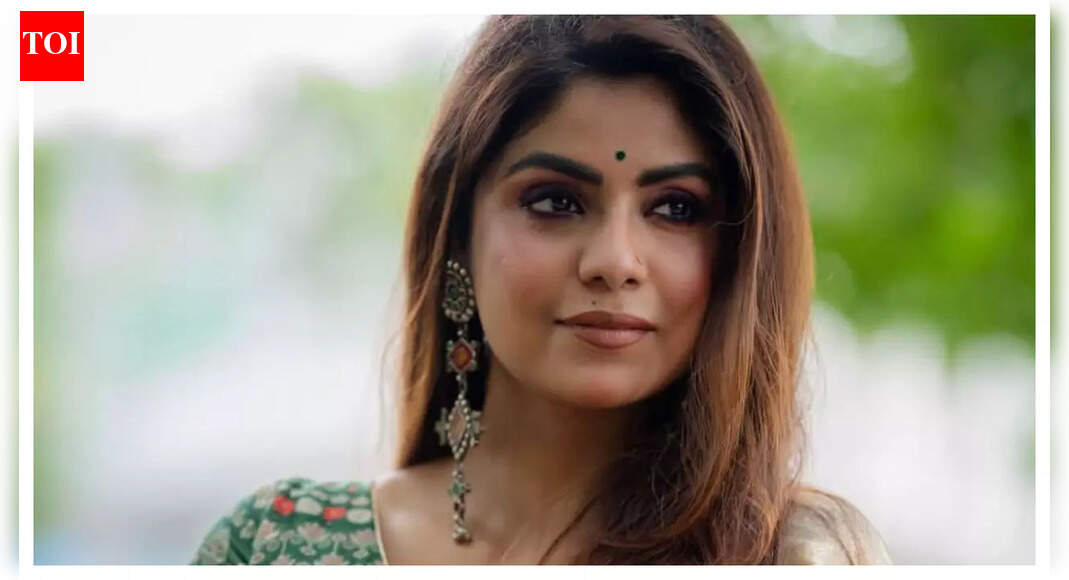
It’s also helped her stay grounded. In a career where public image is everything, dance reminds her of who she was before the fame. “When I dance, I’m not the star from Jagadhatri. I’m not the girl in the headlines. I’m just Sayantani—feeling the rhythm, telling a story with my body.”
Bridging Tradition and Pop Culture
One of Ghosh’s standout qualities is her ability to honor classical forms while embracing contemporary expressions. On World Dance Day, she often shares reels—sometimes performing a Kathak sequence in full costume, other times grooving to Bollywood hits with her co-stars.
This duality reflects a broader trend in Indian entertainment, where traditional art forms are finding new life through social media and television. Ghosh doesn’t treat classical dance as museum art. She sees it as living, evolving.
“We need to make these forms accessible,” she says. “If I can teach my fans a simple Bharat Natyam pose through Instagram, or explain the meaning behind a mudra in a fun way, then I’m doing my part.”
She’s also used her platform to spotlight lesser-known dancers. During a recent episode of Jagadhatri, she choreographed a temple dance sequence that drew from Odissi traditions. Instead of relying on background performers, she insisted on working with trained Odissi artists from Bhubaneswar.
“That scene wasn’t just for visual appeal,” she explains. “It was a tribute. I wanted authenticity, not imitation.”
How Dance Enhances Her Acting
It’s no coincidence that Sayantani Ghosh excels in roles that require emotional depth and physical grace. In Jagadhatri, she plays a woman of faith, strength, and sacrifice—qualities mirrored in the discipline of dance.
“Dance trains you to communicate without words,” she says. “You learn how a tilt of the head, a pause in the breath, or the angle of your hand can change the meaning of a moment. That’s exactly what acting demands.”
She cites a pivotal scene from Jagadhatri where her character mourns the loss of her child. The dialogue was minimal. Most of the emotion was conveyed through silence and movement—her hands trembling, her eyes fixed on a cradle, her slow descent to the floor.
“I choreographed that moment in my head like a dance sequence,” she admits. “The timing, the spacing, the crescendo—it all came from years of understanding rhythm and expression.”
Directors have noticed. Several have commented on her “physical intelligence”—her ability to inhabit space with precision and intention. That’s not accidental. It’s the result of thousands of hours spent rehearsing, falling, and rising again on the dance floor.
Dance on Set: Bringing Joy to the Crew
Behind the scenes of Jagadhatri, Sayantani Ghosh is known for her energy—and much of it comes out through dance. Between takes, she’s often the one turning the set into a mini dance floor.

“Shooting can get monotonous,” she says. “We’re doing the same scene over and over. So sometimes, I just start dancing. And suddenly, the whole mood changes. The light boys smile, the makeup team joins in, even the director taps his foot.”
These moments aren’t just fun. They serve a purpose. They break tension, rebuild focus, and strengthen team morale. In high-pressure productions, small acts of joy become survival tools.
She’s also initiated “dance breaks” during long weekend shoots. “Ten minutes. One song. Everyone on their feet,” she says. “No judgment, no choreography—just movement. It’s amazing how something so simple can recharge everyone.”
Why Her Message Matters on World Dance Day
World Dance Day isn’t just about professional dancers. It’s about recognizing dance as a universal language—one that transcends age, class, and profession. Sayantani Ghosh’s message hits home because it’s relatable.
She isn’t saying everyone must train in Bharatanatyam or perform on stage. She’s saying that dance—any form of it—can enrich your life.
Her tribute resonates because it’s inclusive. You don’t need a studio, a costume, or an audience. You just need the courage to move.
And in a time when mental health is a growing concern, especially among young adults, Ghosh’s advocacy carries weight. She’s not just promoting an art form. She’s promoting self-care, self-expression, and cultural pride.
A Call to Move, Not Just Watch
Sayantani Ghosh’s journey offers a powerful lesson: passion doesn’t have to be your profession to matter. You can be an actor, a doctor, a student—and still let dance shape your life.
Her message on World Dance Day is simple: don’t just celebrate dance. Practice it.
For fans inspired by her story, here are a few realistic ways to bring dance into daily life:
- Start small: Five minutes a day. Put on a favorite song and move freely.
- Learn one move a week: Follow short tutorials—classical, Bollywood, or freestyle.
- Dance with others: Host a mini dance night with family or friends.
- Use it as therapy: On stressful days, dance instead of scrolling.
- Watch with intention: When you see a performance, notice the emotion, not just the steps.
You don’t need to become a performer. You just need to reconnect with your body—and with joy.
Closing: Let Your Body Speak
Sayantani Ghosh doesn’t just act. She moves with purpose. On World Dance Day, her words remind us that dance isn’t a luxury—it’s a language of the soul. Whether through the precise gestures of Bharatanatyam or the freeform joy of a living room groove, movement tells stories words cannot.
For anyone who’s ever felt too busy, too self-conscious, or too “unskilled” to dance—take a cue from the Jagadhatri star. Let go. Move. Feel.
Because as Sayantani Ghosh knows best: when dance is close to your heart, it becomes part of your strength.
Frequently Asked Questions
What did Sayantani Ghosh say about dance on World Dance Day? She said, “Dance has always been close to my heart,” emphasizing its emotional and cultural significance in her life.
Is Sayantani Ghosh trained in classical dance? Yes, she has trained in Bharatanatyam, Kathak, and Bengali folk styles like Jhumur.
How does dance influence her acting in Jagadhatri? Dance helps her convey emotion through body language, facial expressions, and timing, enhancing her screen presence.
Does Sayantani Ghosh perform dance on social media? Yes, she frequently shares dance videos on Instagram, blending classical forms with modern music.
Why is Sayantani Ghosh’s dance advocacy important? She promotes dance as a tool for mental well-being, cultural preservation, and everyday joy—not just performance.
Has she collaborated with professional dancers? Yes, she has worked with Odissi artists and encourages authentic representation of traditional forms on screen.
Can beginners relate to her dance journey? Absolutely. She emphasizes that dance is for everyone—regardless of skill level or background.
FAQ
What should you look for in Sayantani Ghosh Celebrates World Dance Day with Passionate Tribute? Focus on relevance, practical value, and how well the solution matches real user intent.
Is Sayantani Ghosh Celebrates World Dance Day with Passionate Tribute suitable for beginners? That depends on the workflow, but a clear step-by-step approach usually makes it easier to start.
How do you compare options around Sayantani Ghosh Celebrates World Dance Day with Passionate Tribute? Compare features, trust signals, limitations, pricing, and ease of implementation.
What mistakes should you avoid? Avoid generic choices, weak validation, and decisions based only on marketing claims.
What is the next best step? Shortlist the most relevant options, validate them quickly, and refine from real-world results.